The First Prescription: How to Handle Your Records Properly
Welcome to the clinic. If you’re new to vinyl, learning how to handle vinyl records properly is one of the simplest ways to avoid fingerprints and unnecessary contamination. There’s always a little excitement when a new record joins your collection, whether it’s a fresh pressing you’ve been waiting for or an old favourite found in a second-hand shop. Before you put it on the turntable, though, there’s one basic habit worth getting right: how you handle it.
Proper handling sounds simple, and it is, but it makes a real difference over time. Fingerprints leave oils on the playing surface, and those oils can hold on to dust and dirt. So before we get into cleaning machines, fluids and brushes, it makes sense to start with the easiest bit of preventative care you can give a record.
The Diagnosis: Why Fingerprints Matter
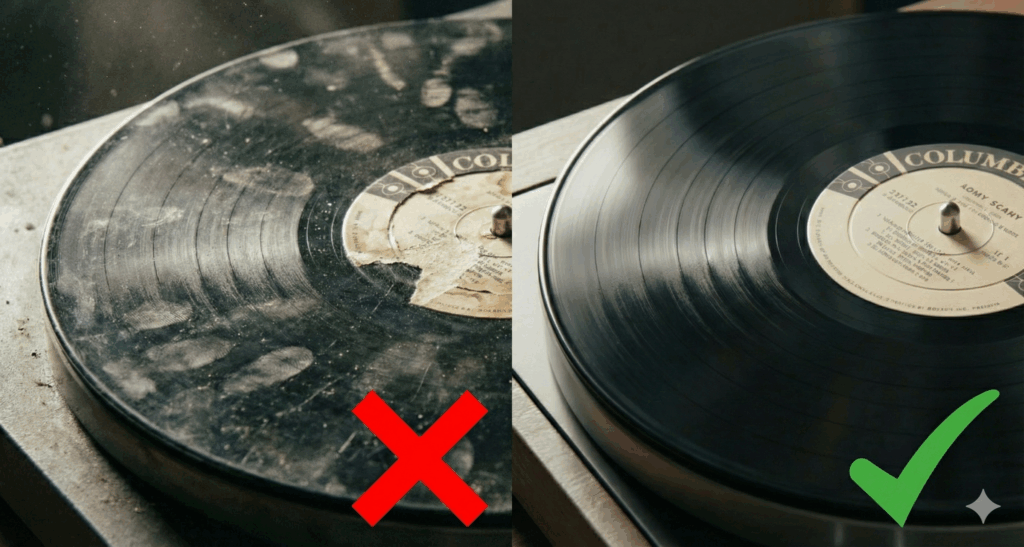
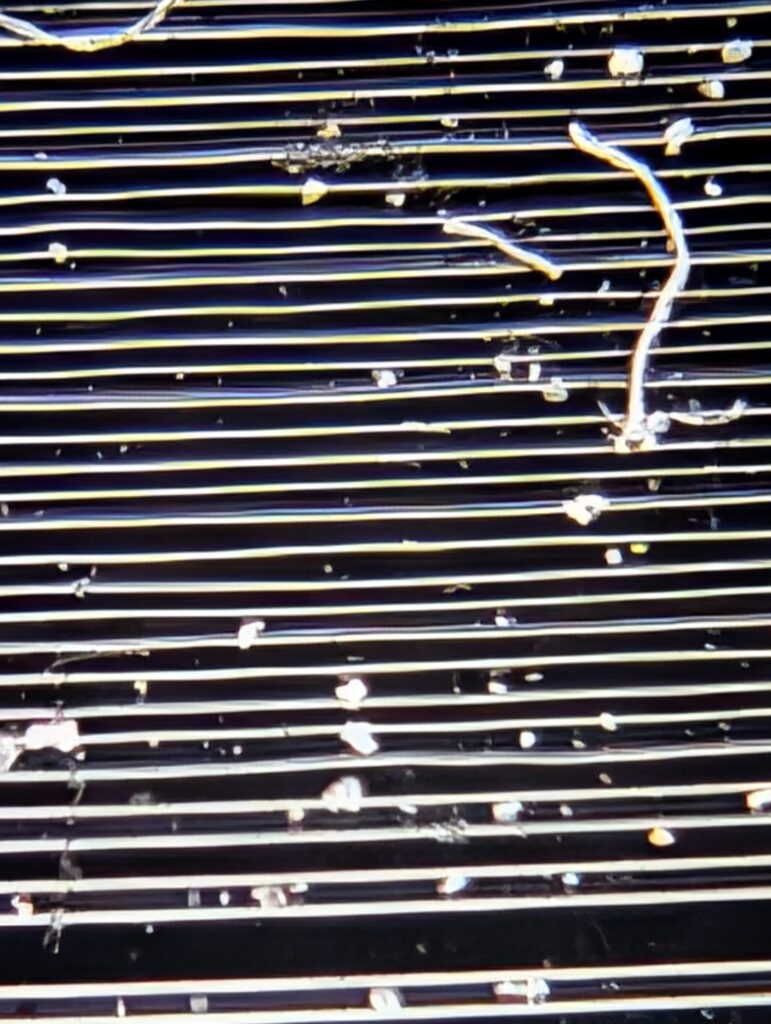
A record may look smooth from a distance, but the playing surface is covered with extremely fine grooves. Your stylus has to follow those grooves accurately to reproduce the information stored in them. Anything sitting in its path, whether dust, fibres or oily residue, can interfere with that job and become something you hear through the speakers.
The natural oil on your skin is called sebum. Touch the playing surface and a thin film of it can be left behind. On its own, one fingerprint may not look like much, but it creates two problems you are better off avoiding:
- 1. It attracts dust: Skin oil is slightly tacky, so dust, hair and fibres can stick to it rather than simply brushing away. When the stylus reaches that mixture of oil and debris, you may hear the familiar pops and clicks that nobody invited to the listening session.
- 2. It can contaminate the stylus: The dirt collected on the record does not necessarily stay there. Some of it can transfer to the stylus and build up around the diamond tip. That can affect how well the stylus tracks the groove and, if contamination is allowed to build up, contribute to unnecessary wear on both record and stylus. Read Ortofon’s stylus care guidance.
That is why a small habit matters. Avoiding contact with the playing surface reduces one source of contamination before it starts, and it costs nothing more than learning where to put your fingers.

The Prescription: A Simple Handling Routine – How to Handle Vinyl Records Without Touching the Grooves
The good news is that proper handling quickly becomes automatic. After a few records you stop thinking about it, in much the same way you stop thinking about where the brake pedal is when you drive.
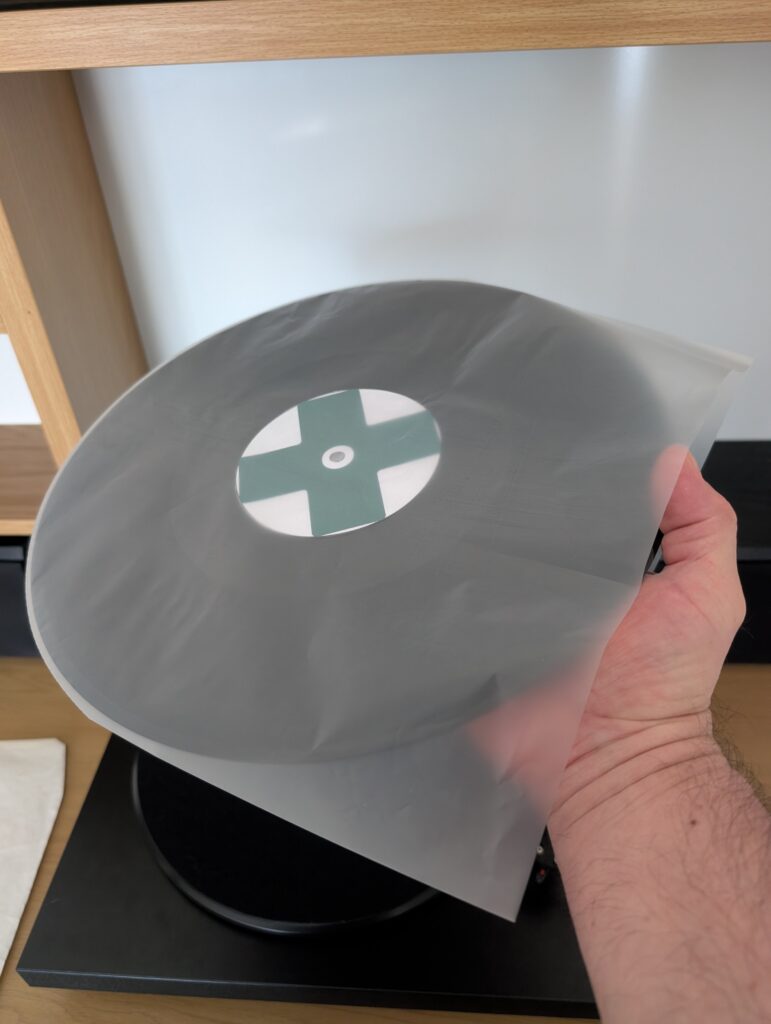
1. Taking the record out of the outer sleeve: Hold the album cover securely and tilt it gently so the inner sleeve can slide out. There is no prize for doing this at speed. A little control makes it less likely that the sleeve, record or both will end up somewhere you did not intend.
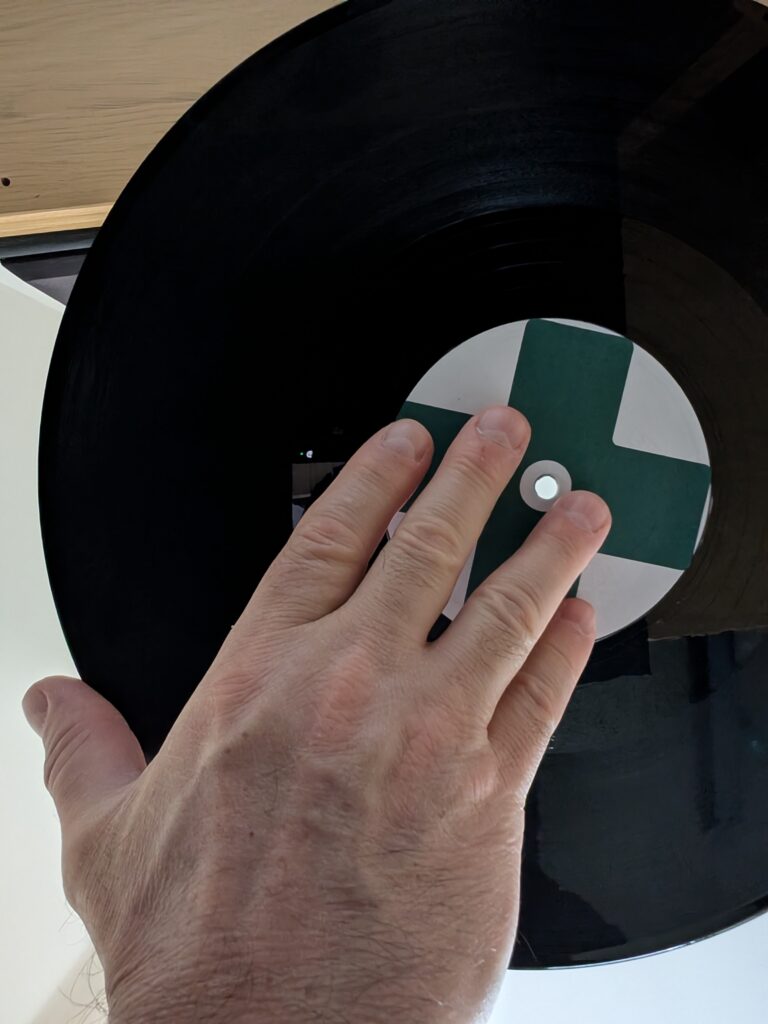
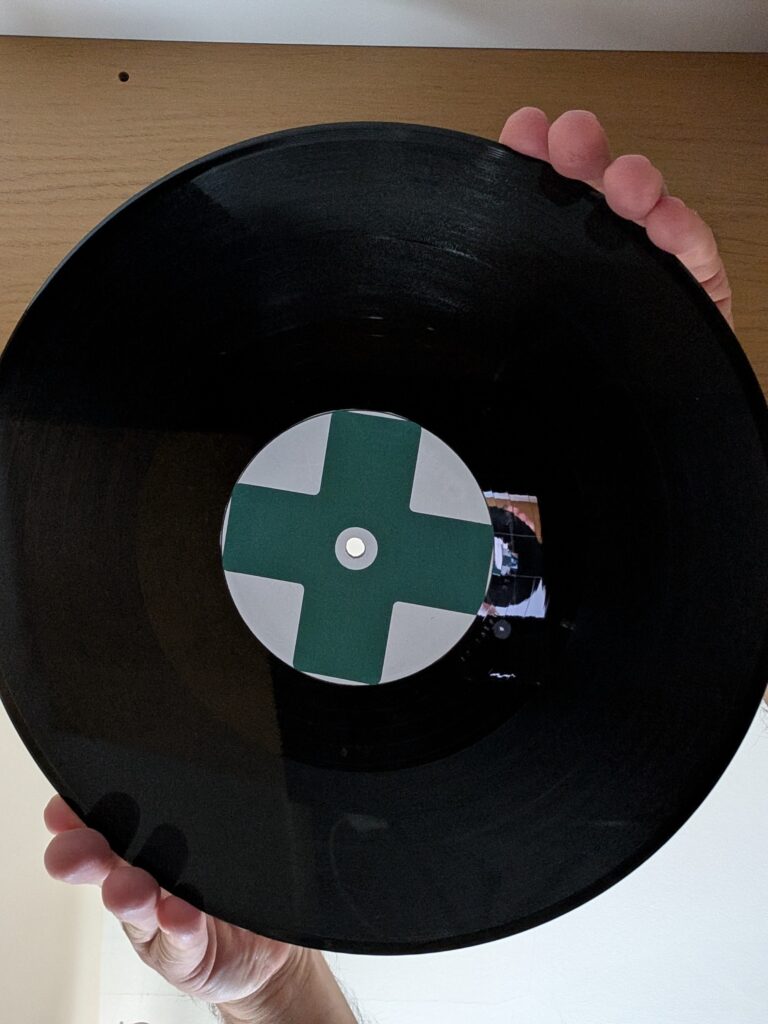
2. Removing the record from the inner sleeve: Slide your hand into the sleeve and place your fingers on the centre label while your thumb supports the outer edge. Then pull the sleeve away from the record rather than dragging the record across the inside of the sleeve. The playing surface should stay clear of your fingertips.
3. Holding the record: Support it by the outer edge and the centre label. You can place your thumb on the edge and one or more fingers on the label, depending on what feels secure. The important part is simple: keep your skin away from the grooves.
Care and handling guidance from the Library of Congress
The Doctor’s Orders: Do’s and Don’ts
DO: Support the record by the edge and centre label. When you place it on the turntable, using both hands gives you more control and reduces the chance of bumping the record against the spindle, platter or anything nearby.
DON’T: Grip the record with your fingers spread across the playing surface as if you were holding a frisbee. And do not slide it across furniture or other surfaces. Vinyl is reasonably tough, but there is no need to test its patience.

A Spot of First Aid: What If You Touch the Surface?
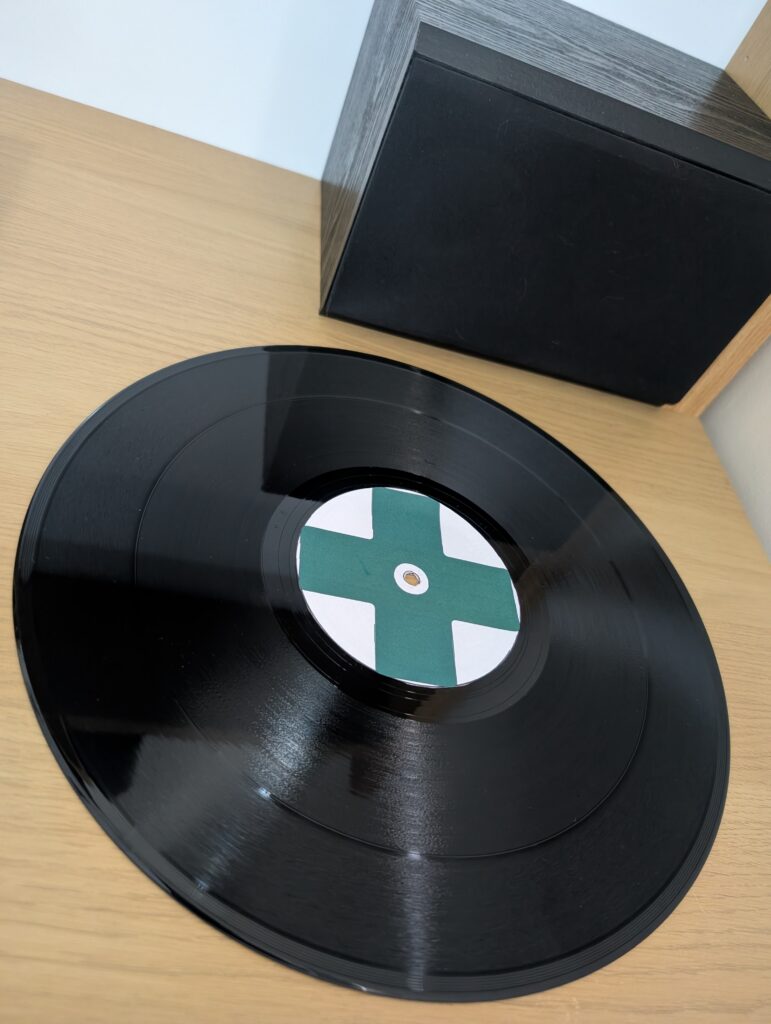
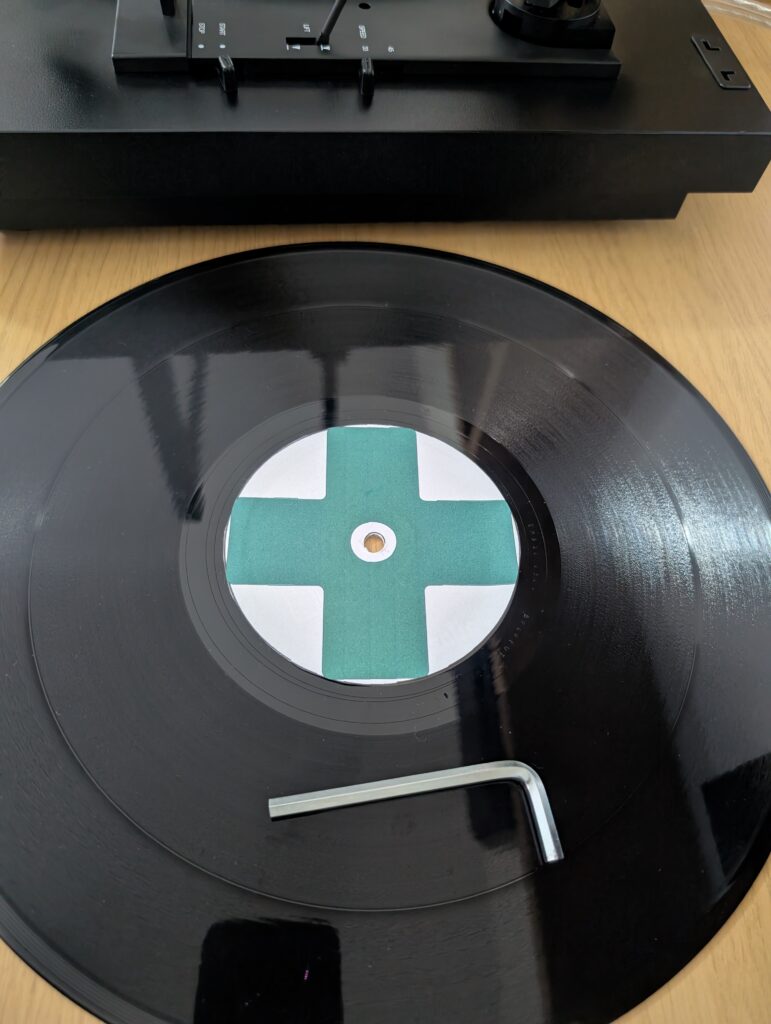
Don’t panic. Almost everyone does it at some point, especially when they are getting used to handling records properly. One accidental fingerprint is not a medical emergency for your LP. The important thing is not to rub it with your shirt sleeve or a dry cloth, which can spread the oil and drag particles across the surface.
If a fingerprint needs removing, a proper wet clean with a suitable record-cleaning solution and a clean microfiber cloth is the safer approach. We will get into cleaning methods in another consultation. Until then, if you do not have the right tools, leave the mark alone rather than turning a small problem into a bigger one.
Your Next Appointment
Once handling becomes second nature, you have removed one of the easiest sources of avoidable contamination from your routine. It is a small change, but it follows you every time you take a record from its sleeve, put it on the turntable and return it to the collection.
Next time, we will look at storage: sleeves, positioning, temperature, humidity and the other things that help keep records flat, clean and away from mould. No sterile operating theatre required, thankfully, but a few sensible habits can save you trouble later.
Until then, practice the handling technique. And if you have ever had one of those heart-stopping moments with a treasured record, tell me about it in the comments. I suspect most collectors have at least one story they would rather not repeat.
The Doctor is always in.